Operational procedures for high-power infrastructure prioritize the prevention of electrical and thermal risks to maintain system longevity. When facilities manage dc fast charging stations, they implement comprehensive safety protocols to protect both the equipment and the users. Adherence to these technical standards ensures that high-voltage power delivery remains stable while mitigating potential hazards during daily operation.
Implementing Protective Hardware Standards
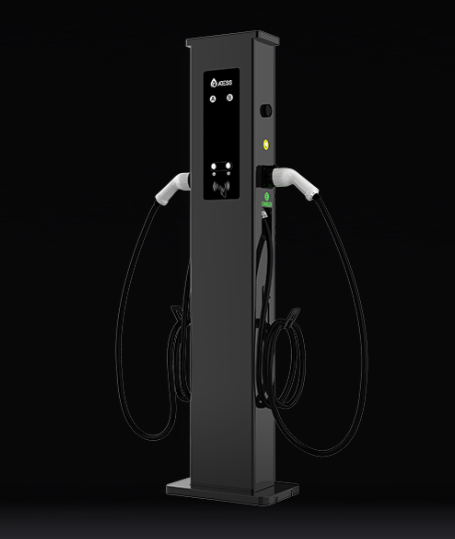
Technical integrity starts with the selection and placement of the hardware itself. A high-quality commercial dc fast charger incorporates multiple layers of protection, such as over-voltage, under-voltage, and over-temperature detection, to respond to anomalies instantly. Atess designs their units with robust, flame-retardant materials and high ingress protection ratings—typically IP54 or higher—to resist dust and moisture in outdoor environments. By ensuring that all dc fast charging stations meet these stringent manufacturing benchmarks, operators can maintain a secure environment that guards against short circuits or external environmental stresses.
Managing System Security and Maintenance
Digital and physical monitoring provides the necessary oversight for secure energy distribution. A professional-grade commercial dc fast charger utilizes advanced communication protocols to manage power output and detect potential faults remotely. They rely on cloud-based platforms to monitor real-time status and perform diagnostics, which allows technicians to address any issues before they affect the entire network. Atess supports this through centralized management tools, ensuring that each dc fast charging stations installation is regularly audited for performance. By performing routine visual checks of cables and connectors, they ensure that the physical infrastructure remains intact and safe for public use.
Ensuring Long-Term Site Safety
Effective safety management extends beyond the equipment to the environment surrounding the charging site. Professionals who oversee a commercial dc fast charger installation incorporate defensive design elements, such as proper cable management and collision protection, to prevent accidental damage. They maintain clear access and visibility to ensure fire suppression equipment remains reachable if needed. Consistency in following these safety guidelines protects the investment and enhances the reliability of the entire charging network. Through disciplined maintenance and the deployment of high-specification hardware, operators can achieve sustainable power delivery for electric vehicle users.